Find your way around the sky.
We start with a laser-guided tour of the night sky, tracing seasonal constellations and locating the objects we will explore together.
Step beneath Hawaiʻi’s night sky and spend the evening exploring it with us. Every event is a small-group, hands-on experience shaped by the season, the Moon, and what the sky is doing that night—so no two nights are exactly alike.

We begin with the best things visible that night—not a canned list of the same objects every time. Depending on the season and Moon phase, we may explore planets, lunar landscapes, star clusters, nebulae, galaxies, the Milky Way, or a special celestial event. Small groups leave room to ask questions, look again, and spend real time at the telescope.
We start with a laser-guided tour of the night sky, tracing seasonal constellations and locating the objects we will explore together.
Take your time at the eyepiece of our 12-inch telescope as we move between the strongest visual targets the night has to offer.
Our live-imaging system reaches beyond the eyepiece, revealing dim nebulae, galaxies, and star clusters while we unpack the science and stories behind them.
The equipment is there to open up the sky—not get between you and it. Throughout the evening we combine direct visual observing with live deep-sky imaging, giving you two different ways to experience the universe.
A large Schmidt-Cassegrain telescope built for detailed views of the Moon and planets, bright nebulae, star clusters, double stars, and more.
A dedicated imaging telescope gathers faint light throughout the night. You will see the image develop live and receive copies of the images captured during your experience.
Astrophotography 101 · Every other Monday · 7–11 PM
Watch the Moon rise already deep in Earth’s shadow, then follow the eclipse as the lunar surface gradually returns to full brightness.

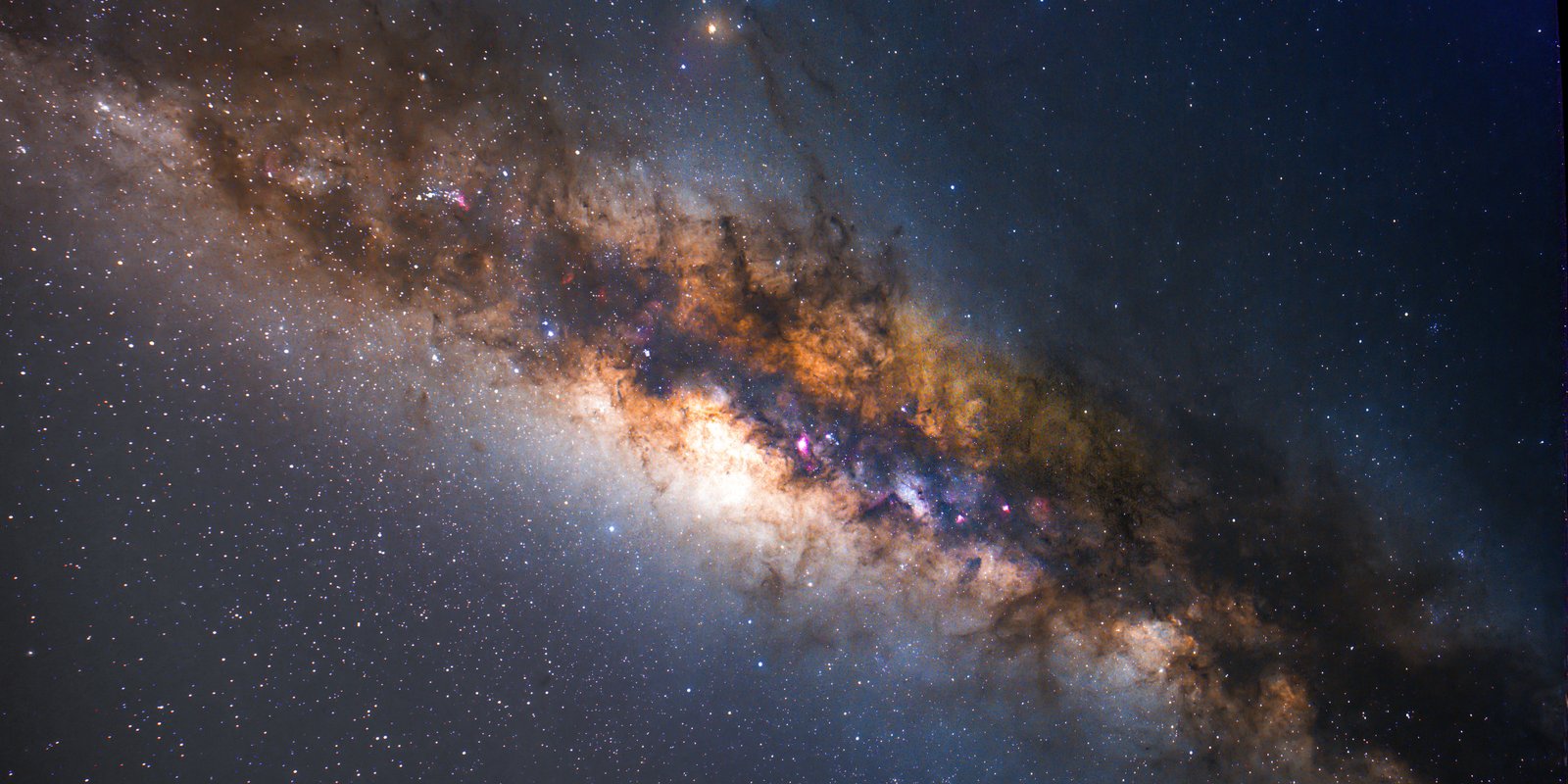
Scorpius stretches across the southern sky with fiery Antares at its heart, surrounded by some of the richest star fields in the Milky Way. We’ll explore the nebulae, clusters, and glowing depths of Sagittarius and Scorpius before the summer sky begins slipping west.
Scorpius stretches across the southern sky with fiery Antares at its heart, surrounded by some of the richest star fields in the Milky Way. We’ll explore the nebulae, clusters, and glowing depths of Sagittarius and Scorpius before the summer sky begins slipping west.
Scorpius stretches across the southern sky with fiery Antares at its heart, surrounded by some of the richest star fields in the Milky Way. We’ll explore the nebulae, clusters, and glowing depths of Sagittarius and Scorpius before the summer sky begins slipping west.
Scorpius stretches across the southern sky with fiery Antares at its heart, surrounded by some of the richest star fields in the Milky Way. We’ll explore the nebulae, clusters, and glowing depths of Sagittarius and Scorpius before the summer sky begins slipping west.
Scorpius stretches across the southern sky with fiery Antares at its heart, surrounded by some of the richest star fields in the Milky Way. We’ll explore the nebulae, clusters, and glowing depths of Sagittarius and Scorpius before the summer sky begins slipping west.
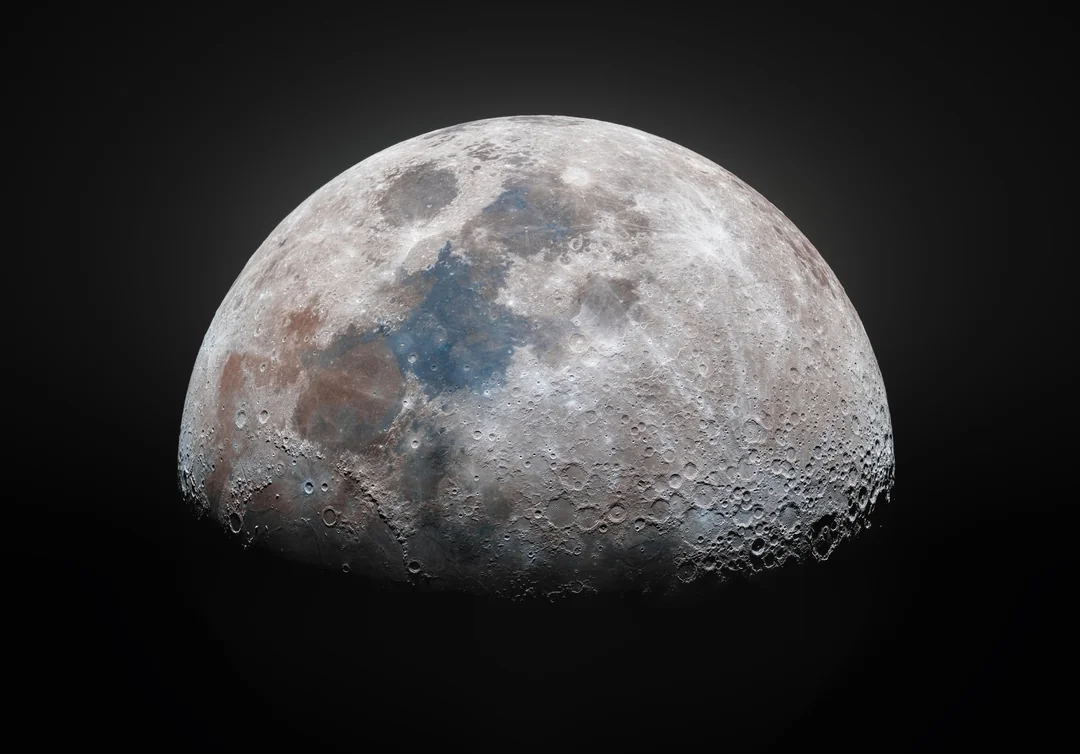
A Moon-focused telescope night exploring lunar geology, bright crater rays, maria, mountain ranges, and seasonal bright targets.

Andromeda and Cassiopeia take over the autumn sky as the great Andromeda Galaxy climbs into prime viewing position. The Double Cluster, Pleiades, and the first returning winter constellations make this a season of galaxies, star clusters, and changing skies.
A special telescope night centered on Saturn at its best observing window of the year, including its rings and brighter moons.
Andromeda and Cassiopeia take over the autumn sky as the great Andromeda Galaxy climbs into prime viewing position. The Double Cluster, Pleiades, and the first returning winter constellations make this a season of galaxies, star clusters, and changing skies.
Andromeda and Cassiopeia take over the autumn sky as the great Andromeda Galaxy climbs into prime viewing position. The Double Cluster, Pleiades, and the first returning winter constellations make this a season of galaxies, star clusters, and changing skies.
Andromeda and Cassiopeia take over the autumn sky as the great Andromeda Galaxy climbs into prime viewing position. The Double Cluster, Pleiades, and the first returning winter constellations make this a season of galaxies, star clusters, and changing skies.
A Moon-focused telescope night exploring lunar geology, bright crater rays, maria, mountain ranges, and seasonal bright targets.
Andromeda and Cassiopeia take over the autumn sky as the great Andromeda Galaxy climbs into prime viewing position. The Double Cluster, Pleiades, and the first returning winter constellations make this a season of galaxies, star clusters, and changing skies.
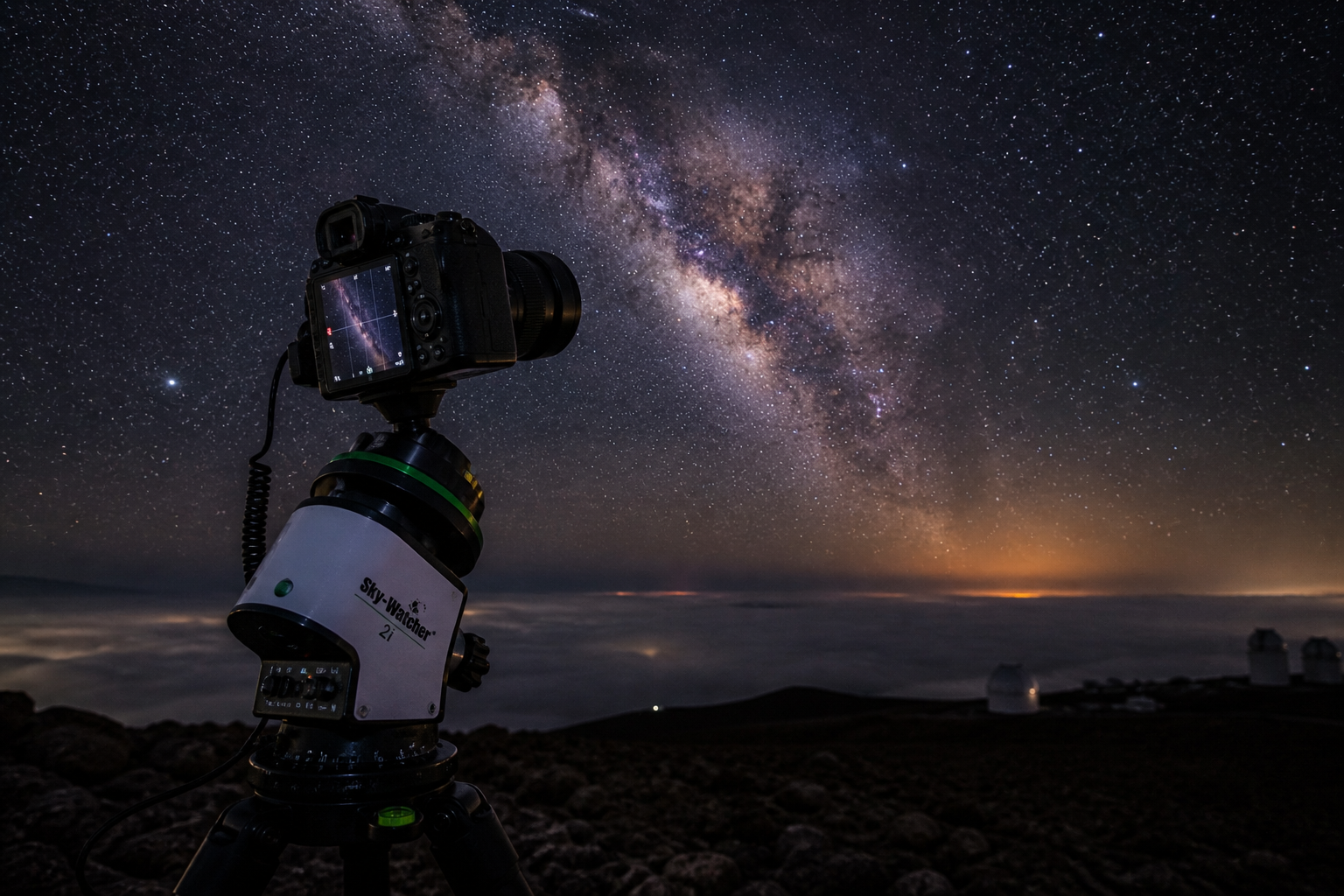
A hands-on field session for tracked night-sky imaging, camera setup, exposure, framing, and real astrophotography workflow.
Andromeda and Cassiopeia take over the autumn sky as the great Andromeda Galaxy climbs into prime viewing position. The Double Cluster, Pleiades, and the first returning winter constellations make this a season of galaxies, star clusters, and changing skies.
Andromeda and Cassiopeia take over the autumn sky as the great Andromeda Galaxy climbs into prime viewing position. The Double Cluster, Pleiades, and the first returning winter constellations make this a season of galaxies, star clusters, and changing skies.
A hands-on field session for tracked night-sky imaging, camera setup, exposure, framing, and real astrophotography workflow.
Andromeda and Cassiopeia take over the autumn sky as the great Andromeda Galaxy climbs into prime viewing position. The Double Cluster, Pleiades, and the first returning winter constellations make this a season of galaxies, star clusters, and changing skies.
A Moon-focused night with craters and mountain ranges, followed by the Pleiades, bright double stars, and Orion rising in the east.
A Moon-focused telescope night exploring lunar geology, bright crater rays, maria, mountain ranges, and seasonal bright targets.
Andromeda and Cassiopeia take over the autumn sky as the great Andromeda Galaxy climbs into prime viewing position. The Double Cluster, Pleiades, and the first returning winter constellations make this a season of galaxies, star clusters, and changing skies.
A hands-on field session for tracked night-sky imaging, camera setup, exposure, framing, and real astrophotography workflow.
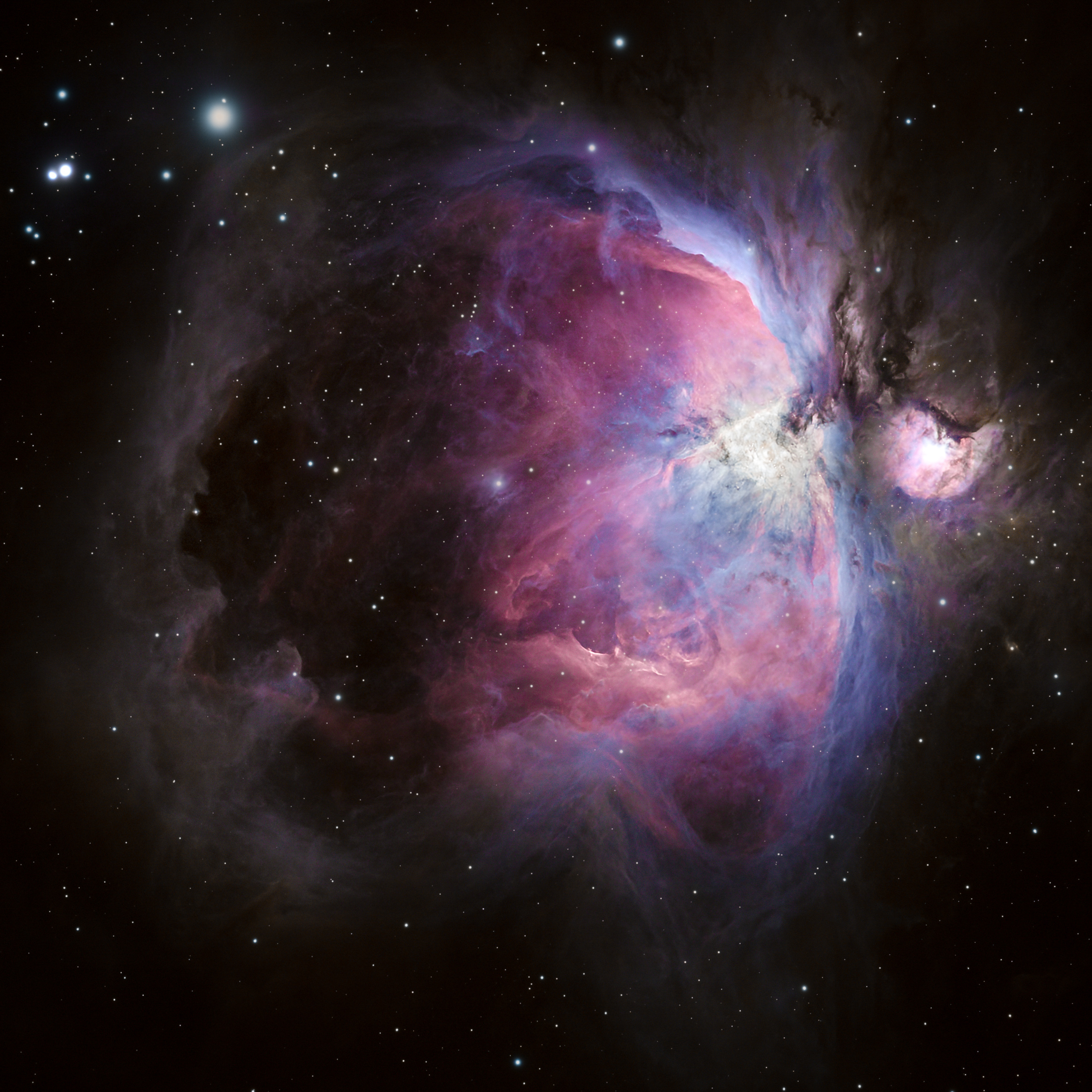
Orion returns in force, bringing the Orion Nebula, brilliant winter stars, Taurus, the Pleiades, and some of the most recognizable constellations in the night sky. These months offer a spectacular mix of bright nebulae, colorful stars, clusters, and classic telescope targets.
Orion returns in force, bringing the Orion Nebula, brilliant winter stars, Taurus, the Pleiades, and some of the most recognizable constellations in the night sky. These months offer a spectacular mix of bright nebulae, colorful stars, clusters, and classic telescope targets.
A late-night session for one of the year’s most reliable meteor showers, with Gemini, Orion, and the winter sky overhead.
A hands-on field session for tracked night-sky imaging, camera setup, exposure, framing, and real astrophotography workflow.
Orion returns in force, bringing the Orion Nebula, brilliant winter stars, Taurus, the Pleiades, and some of the most recognizable constellations in the night sky. These months offer a spectacular mix of bright nebulae, colorful stars, clusters, and classic telescope targets.
A Moon-focused telescope night exploring lunar geology, bright crater rays, maria, mountain ranges, and seasonal bright targets.
Orion returns in force, bringing the Orion Nebula, brilliant winter stars, Taurus, the Pleiades, and some of the most recognizable constellations in the night sky. These months offer a spectacular mix of bright nebulae, colorful stars, clusters, and classic telescope targets.
A hands-on field session for tracked night-sky imaging, camera setup, exposure, framing, and real astrophotography workflow.
Orion returns in force, bringing the Orion Nebula, brilliant winter stars, Taurus, the Pleiades, and some of the most recognizable constellations in the night sky. These months offer a spectacular mix of bright nebulae, colorful stars, clusters, and classic telescope targets.
Orion returns in force, bringing the Orion Nebula, brilliant winter stars, Taurus, the Pleiades, and some of the most recognizable constellations in the night sky. These months offer a spectacular mix of bright nebulae, colorful stars, clusters, and classic telescope targets.
A hands-on field session for tracked night-sky imaging, camera setup, exposure, framing, and real astrophotography workflow.
Orion returns in force, bringing the Orion Nebula, brilliant winter stars, Taurus, the Pleiades, and some of the most recognizable constellations in the night sky. These months offer a spectacular mix of bright nebulae, colorful stars, clusters, and classic telescope targets.
A Moon-focused telescope night exploring lunar geology, bright crater rays, maria, mountain ranges, and seasonal bright targets.
Orion returns in force, bringing the Orion Nebula, brilliant winter stars, Taurus, the Pleiades, and some of the most recognizable constellations in the night sky. These months offer a spectacular mix of bright nebulae, colorful stars, clusters, and classic telescope targets.
A hands-on field session for tracked night-sky imaging, camera setup, exposure, framing, and real astrophotography workflow.
Orion returns in force, bringing the Orion Nebula, brilliant winter stars, Taurus, the Pleiades, and some of the most recognizable constellations in the night sky. These months offer a spectacular mix of bright nebulae, colorful stars, clusters, and classic telescope targets.
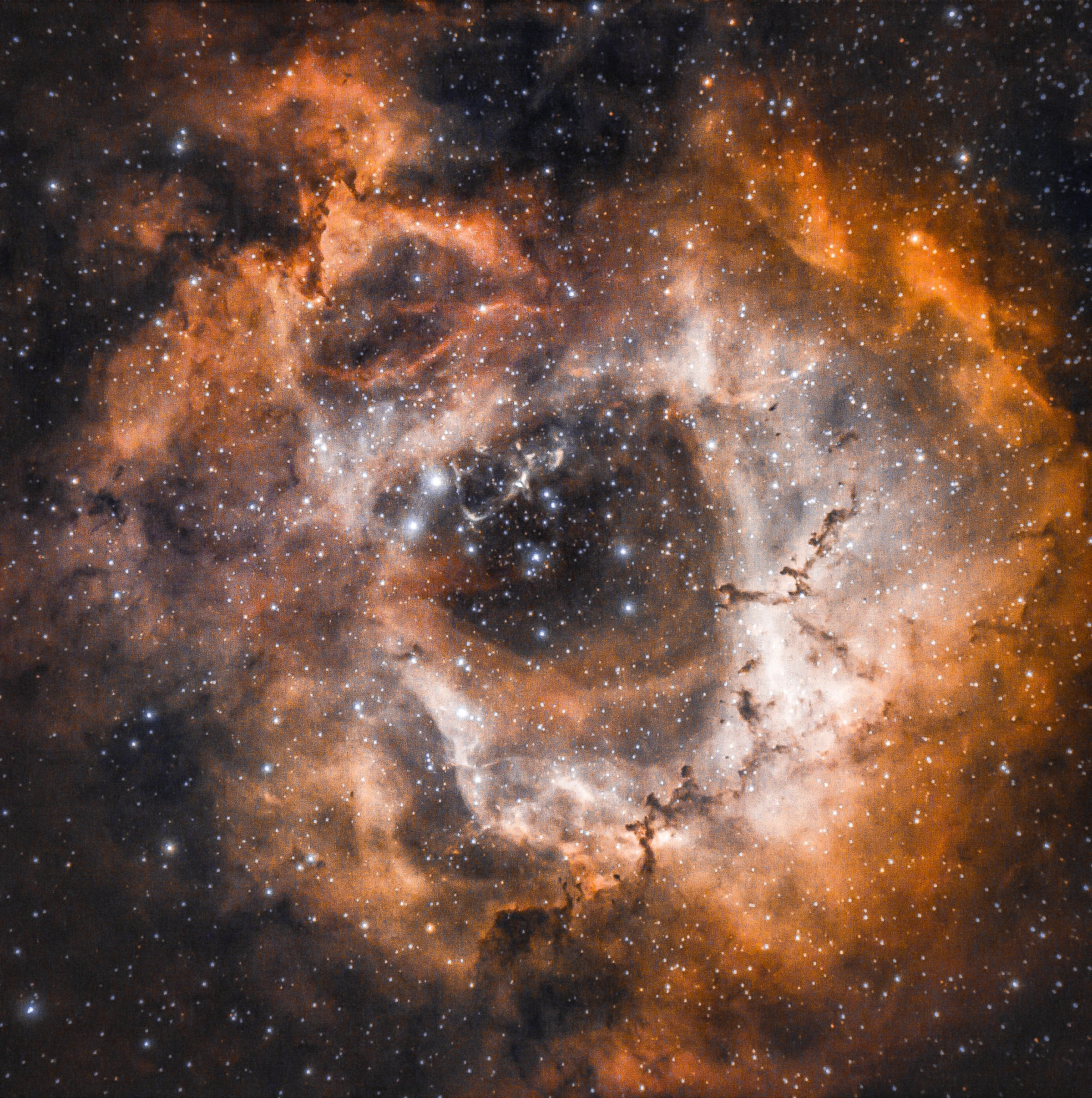
Orion, Sirius, Gemini, Taurus, and Canis Major dominate the evening, filling the sky with some of the brightest stars and finest deep-sky objects of the year. As winter begins to fade westward, Leo and the first great galaxy fields of spring start rising in the east.
A hands-on field session for tracked night-sky imaging, camera setup, exposure, framing, and real astrophotography workflow.
Orion, Sirius, Gemini, Taurus, and Canis Major dominate the evening, filling the sky with some of the brightest stars and finest deep-sky objects of the year. As winter begins to fade westward, Leo and the first great galaxy fields of spring start rising in the east.
Jupiter and its Galilean moons share the night with Orion, the Pleiades, bright winter stars, clusters, and selected nebulae.
Orion, Sirius, Gemini, Taurus, and Canis Major dominate the evening, filling the sky with some of the brightest stars and finest deep-sky objects of the year. As winter begins to fade westward, Leo and the first great galaxy fields of spring start rising in the east.
A Moon-focused telescope night exploring lunar geology, bright crater rays, maria, mountain ranges, and seasonal bright targets.
A hands-on field session for tracked night-sky imaging, camera setup, exposure, framing, and real astrophotography workflow.
Orion, Sirius, Gemini, Taurus, and Canis Major dominate the evening, filling the sky with some of the brightest stars and finest deep-sky objects of the year. As winter begins to fade westward, Leo and the first great galaxy fields of spring start rising in the east.
Orion, Sirius, Gemini, Taurus, and Canis Major dominate the evening, filling the sky with some of the brightest stars and finest deep-sky objects of the year. As winter begins to fade westward, Leo and the first great galaxy fields of spring start rising in the east.
A hands-on field session for tracked night-sky imaging, camera setup, exposure, framing, and real astrophotography workflow.
Orion, Sirius, Gemini, Taurus, and Canis Major dominate the evening, filling the sky with some of the brightest stars and finest deep-sky objects of the year. As winter begins to fade westward, Leo and the first great galaxy fields of spring start rising in the east.
Orion, Sirius, Gemini, Taurus, and Canis Major dominate the evening, filling the sky with some of the brightest stars and finest deep-sky objects of the year. As winter begins to fade westward, Leo and the first great galaxy fields of spring start rising in the east.
A hands-on field session for tracked night-sky imaging, camera setup, exposure, framing, and real astrophotography workflow.
Orion, Sirius, Gemini, Taurus, and Canis Major dominate the evening, filling the sky with some of the brightest stars and finest deep-sky objects of the year. As winter begins to fade westward, Leo and the first great galaxy fields of spring start rising in the east.
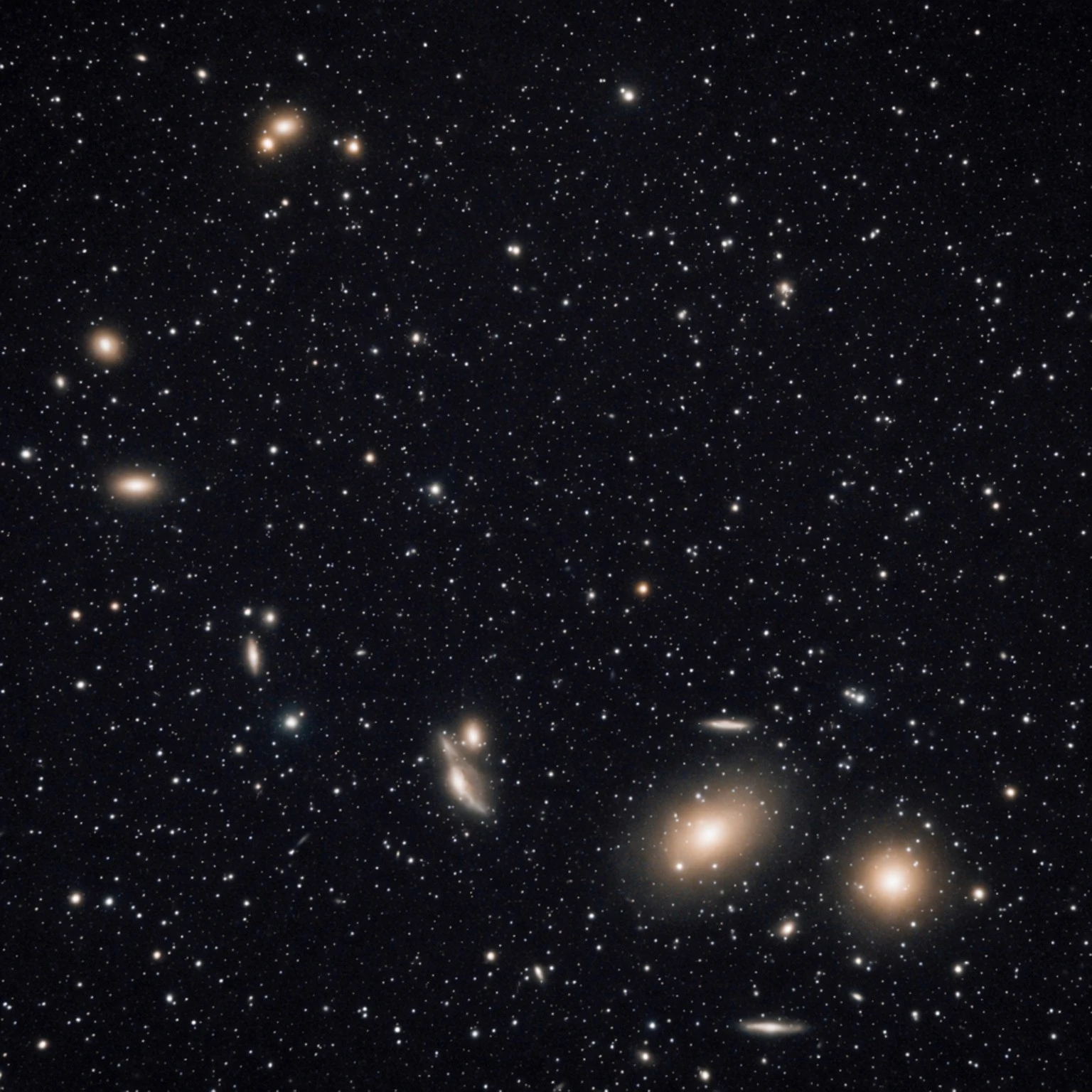
Explore the galaxy fields of Leo, Virgo, and Coma Berenices, with Markarian’s Chain, the Virgo Cluster, and bright companions for the eyepiece.
A hands-on field session for tracked night-sky imaging, camera setup, exposure, framing, and real astrophotography workflow.
Explore the galaxy fields of Leo, Virgo, and Coma Berenices, with Markarian’s Chain, the Virgo Cluster, and bright companions for the eyepiece.
Explore the galaxy fields of Leo, Virgo, and Coma Berenices, with Markarian’s Chain, the Virgo Cluster, and bright companions for the eyepiece.
A hands-on field session for tracked night-sky imaging, camera setup, exposure, framing, and real astrophotography workflow.
Explore the galaxy fields of Leo, Virgo, and Coma Berenices, with Markarian’s Chain, the Virgo Cluster, and bright companions for the eyepiece.
Explore the galaxy fields of Leo, Virgo, and Coma Berenices, with Markarian’s Chain, the Virgo Cluster, and bright companions for the eyepiece.
A hands-on field session for tracked night-sky imaging, camera setup, exposure, framing, and real astrophotography workflow.
Explore the galaxy fields of Leo, Virgo, and Coma Berenices, with Markarian’s Chain, the Virgo Cluster, and bright companions for the eyepiece.
Explore the galaxy fields of Leo, Virgo, and Coma Berenices, with Markarian’s Chain, the Virgo Cluster, and bright companions for the eyepiece.
A hands-on field session for tracked night-sky imaging, camera setup, exposure, framing, and real astrophotography workflow.
Explore the galaxy fields of Leo, Virgo, and Coma Berenices, with Markarian’s Chain, the Virgo Cluster, and bright companions for the eyepiece.
Explore the galaxy fields of Leo, Virgo, and Coma Berenices, with Markarian’s Chain, the Virgo Cluster, and bright companions for the eyepiece.
A hands-on field session for tracked night-sky imaging, camera setup, exposure, framing, and real astrophotography workflow.
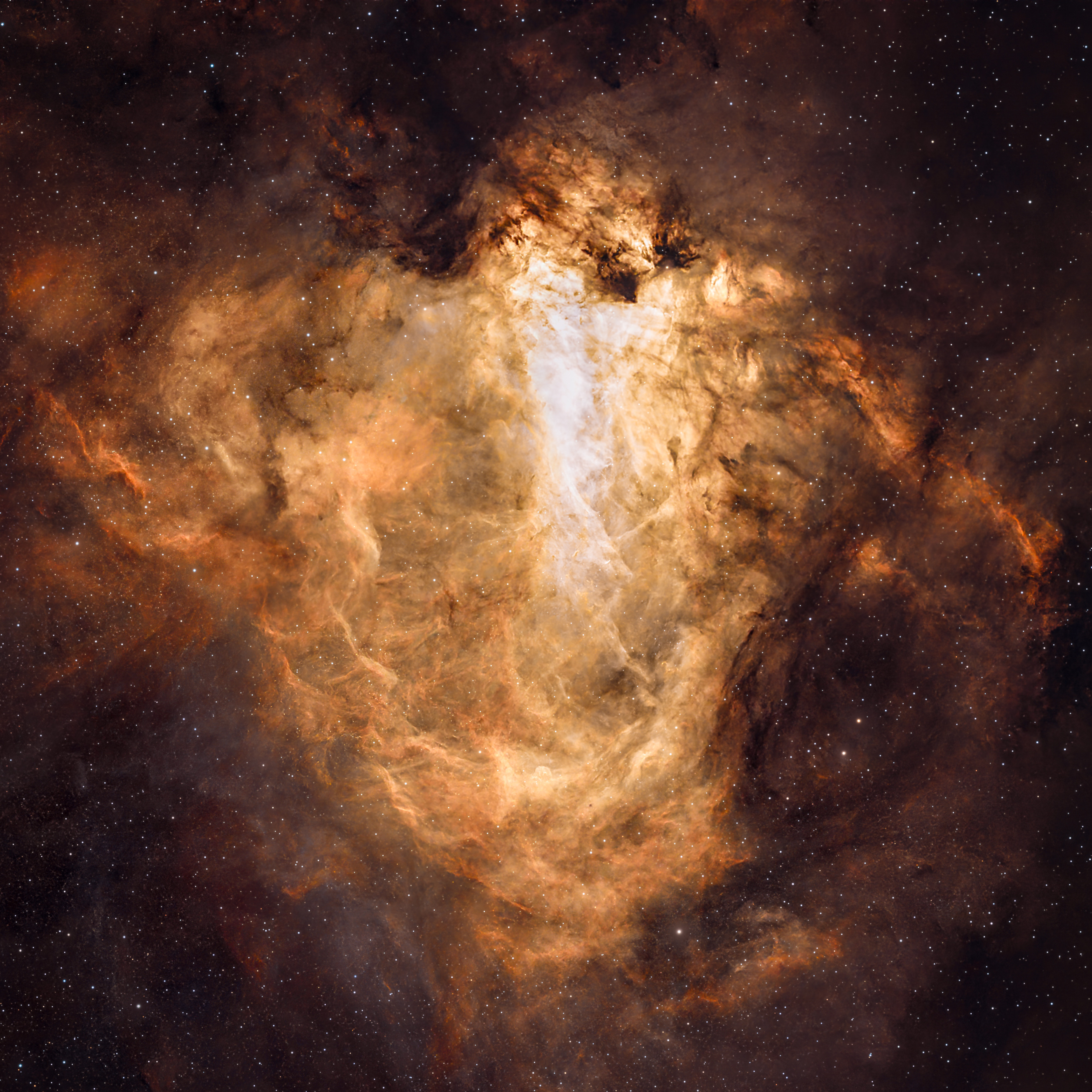
Explore the Lagoon, Trifid, Eagle, and Omega nebulae in the summer Milky Way. Every Friday in June and July.
Explore the Lagoon, Trifid, Eagle, and Omega nebulae in the summer Milky Way. Every Friday in June and July.
A hands-on field session for tracked night-sky imaging, camera setup, exposure, framing, and real astrophotography workflow.
Explore the Lagoon, Trifid, Eagle, and Omega nebulae in the summer Milky Way. Every Friday in June and July.
Explore the Lagoon, Trifid, Eagle, and Omega nebulae in the summer Milky Way. Every Friday in June and July.
A hands-on field session for tracked night-sky imaging, camera setup, exposure, framing, and real astrophotography workflow.
Explore the Lagoon, Trifid, Eagle, and Omega nebulae in the summer Milky Way. Every Friday in June and July.
Explore the Lagoon, Trifid, Eagle, and Omega nebulae in the summer Milky Way. Every Friday in June and July.
A hands-on field session for tracked night-sky imaging, camera setup, exposure, framing, and real astrophotography workflow.
Explore the Lagoon, Trifid, Eagle, and Omega nebulae in the summer Milky Way. Every Friday in June and July.
Explore the Lagoon, Trifid, Eagle, and Omega nebulae in the summer Milky Way. Every Friday in June and July.
A hands-on field session for tracked night-sky imaging, camera setup, exposure, framing, and real astrophotography workflow.
Explore the Lagoon, Trifid, Eagle, and Omega nebulae in the summer Milky Way. Every Friday in June and July.
Scorpius stretches across the southern sky with fiery Antares at its heart, surrounded by some of the richest star fields in the Milky Way. We’ll explore the nebulae, clusters, and glowing depths of Sagittarius and Scorpius before the summer sky begins slipping west.
A hands-on field session for tracked night-sky imaging, camera setup, exposure, framing, and real astrophotography workflow.
Scorpius stretches across the southern sky with fiery Antares at its heart, surrounded by some of the richest star fields in the Milky Way. We’ll explore the nebulae, clusters, and glowing depths of Sagittarius and Scorpius before the summer sky begins slipping west.
Scorpius stretches across the southern sky with fiery Antares at its heart, surrounded by some of the richest star fields in the Milky Way. We’ll explore the nebulae, clusters, and glowing depths of Sagittarius and Scorpius before the summer sky begins slipping west.
A hands-on field session for tracked night-sky imaging, camera setup, exposure, framing, and real astrophotography workflow.
Scorpius stretches across the southern sky with fiery Antares at its heart, surrounded by some of the richest star fields in the Milky Way. We’ll explore the nebulae, clusters, and glowing depths of Sagittarius and Scorpius before the summer sky begins slipping west.
A hands-on field session for tracked night-sky imaging, camera setup, exposure, framing, and real astrophotography workflow.
A hands-on field session for tracked night-sky imaging, camera setup, exposure, framing, and real astrophotography workflow.
A hands-on field session for tracked night-sky imaging, camera setup, exposure, framing, and real astrophotography workflow.
A hands-on field session for tracked night-sky imaging, camera setup, exposure, framing, and real astrophotography workflow.
A hands-on field session for learning tracked night-sky imaging, camera setup, exposure, framing, and real astrophotography workflow.
A seasonal astronomy night whose observing focus changes with Hawaiʻi’s sky—from the Milky Way and Andromeda to Orion and the winter deep sky.
A Moon-focused telescope night for lunar geology, bright crater rays, maria, and seasonal targets that shine through moonlight.
Watch the Moon rise already deep in Earth’s shadow, then follow the eclipse as the lunar surface gradually returns to full brightness.
A dark-sky night for the Milky Way core, Sagittarius and Scorpius, Lagoon and Trifid Nebulae, clusters, and rich summer star fields.
A special telescope night centered on Saturn at its best observing window of the year, including its rings and brighter moons.
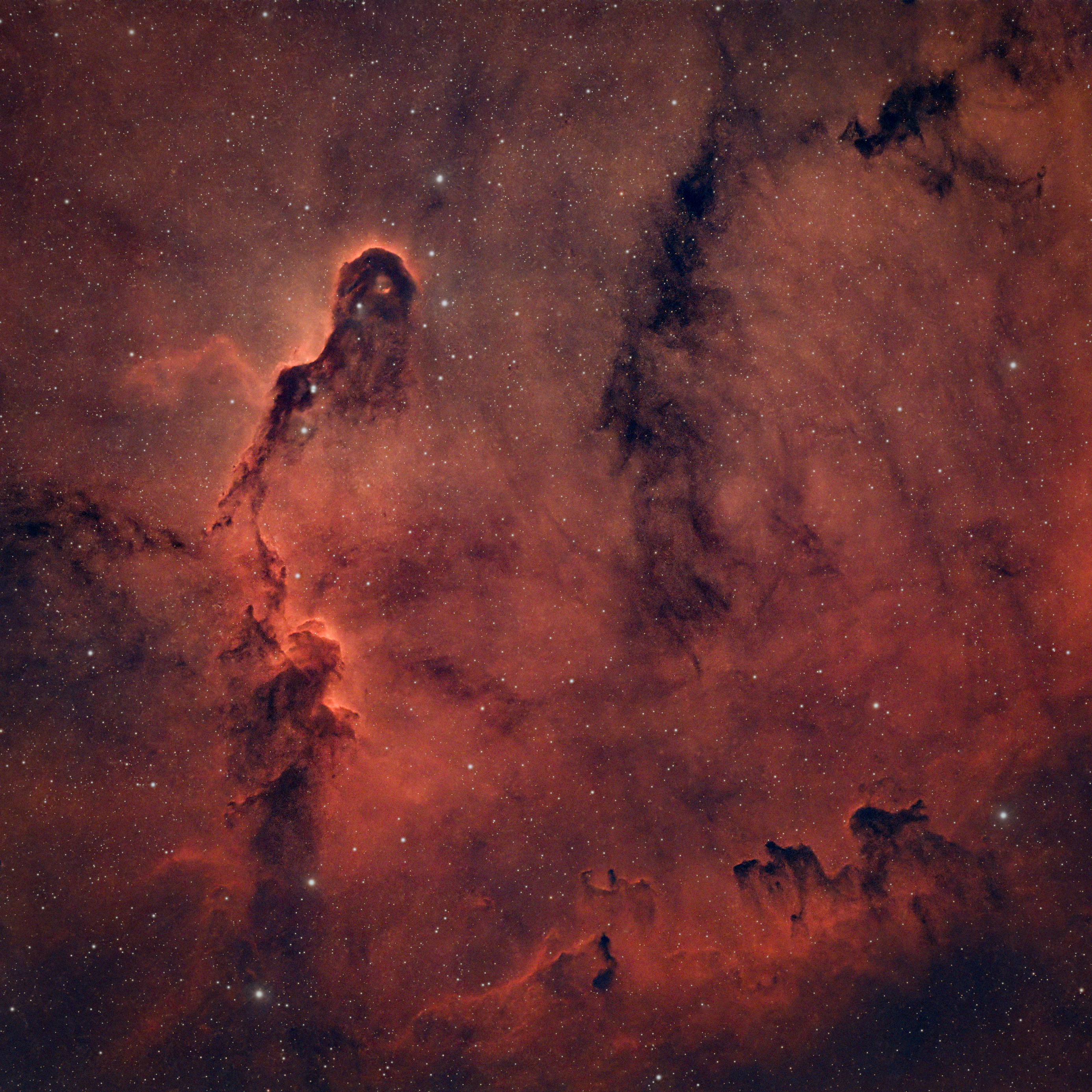
Andromeda, the Double Cluster, Cassiopeia and Cepheus take over as the summer Milky Way begins sinking west.
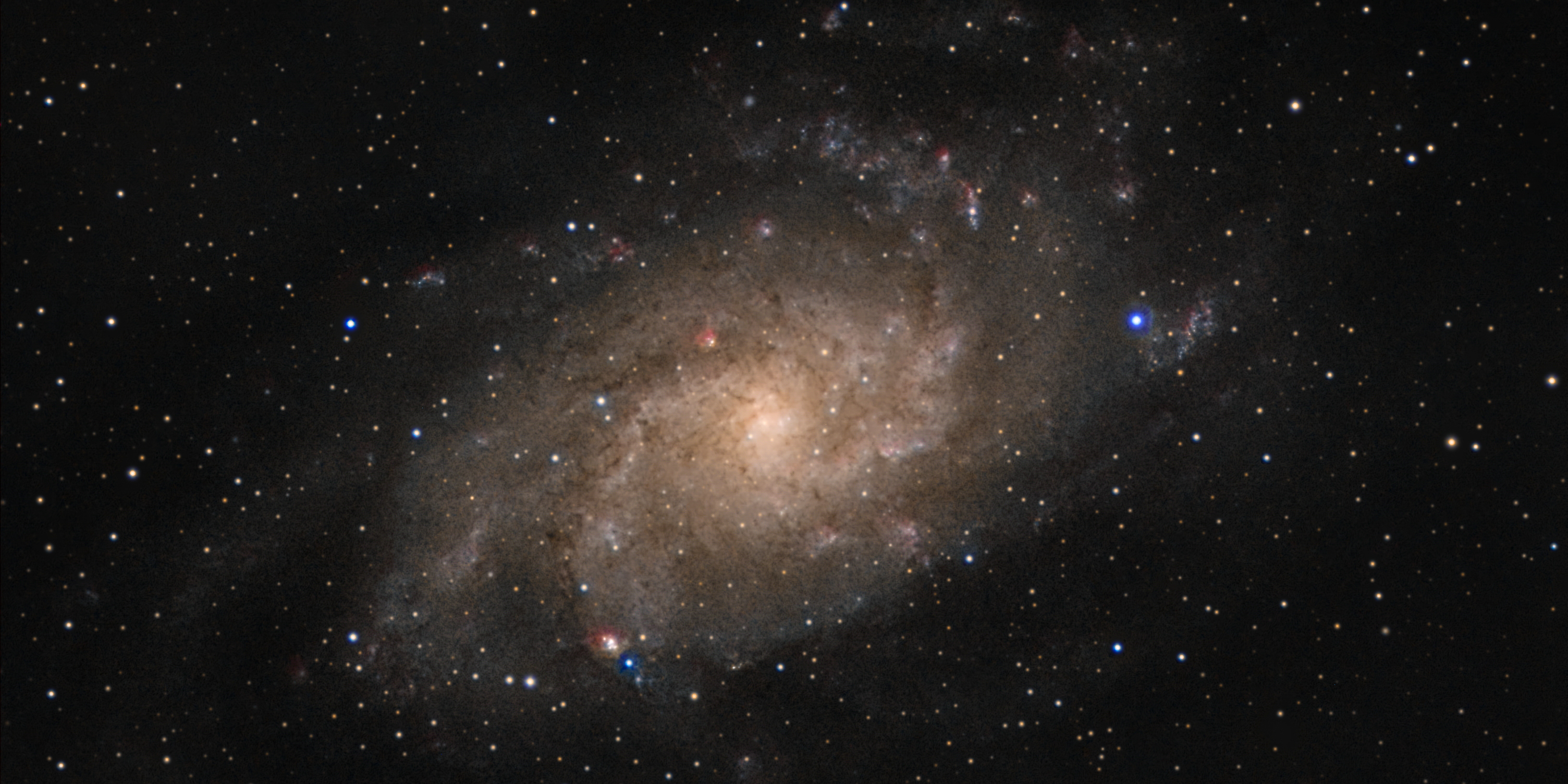
The Pleiades climb higher, Andromeda remains strong, the Double Cluster shines, and Orion begins returning later in the evening.
A Moon-focused night with craters and mountain ranges, followed by the Pleiades, bright double stars, and Orion rising in the east.
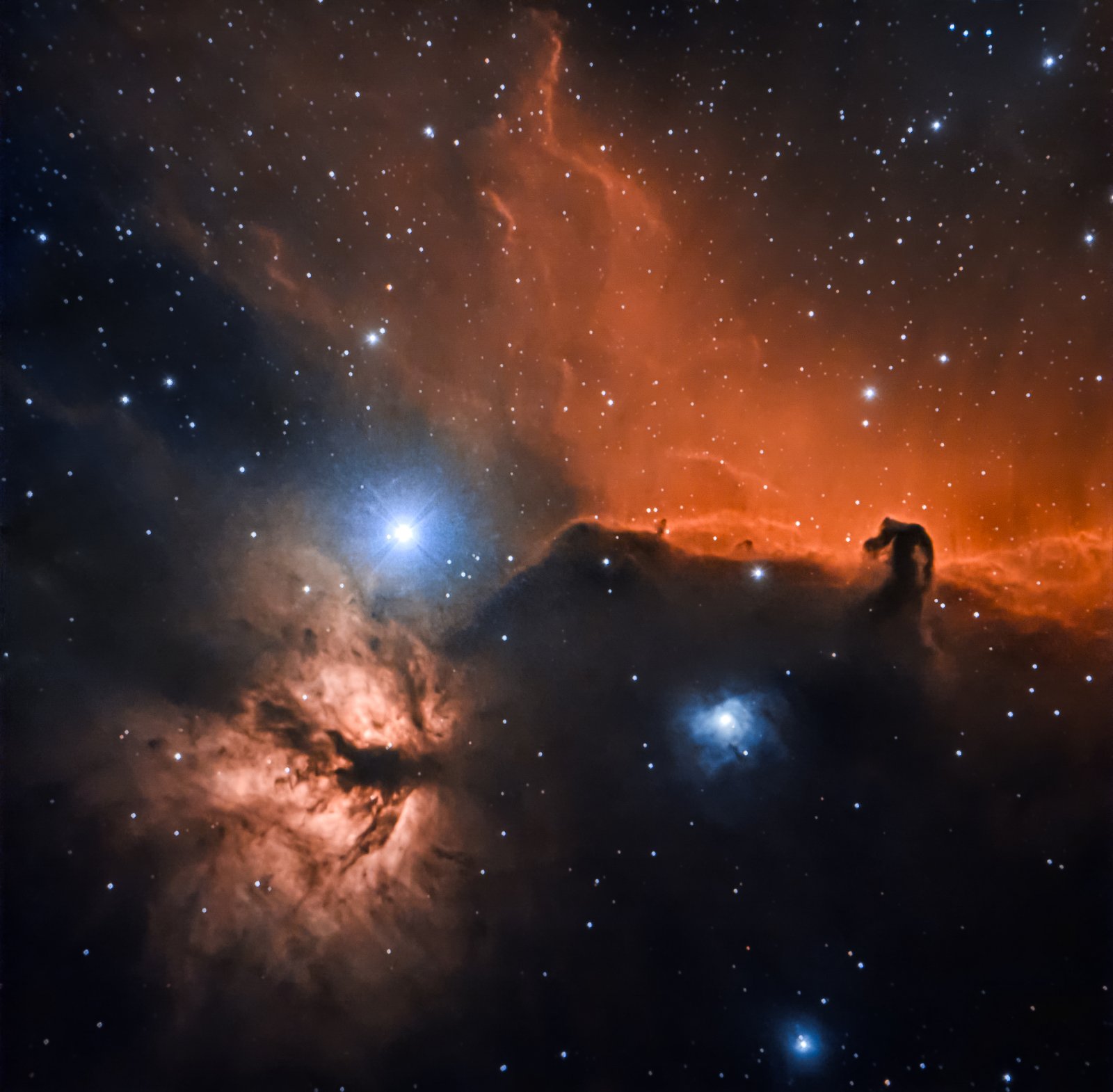
Orion returns with the Orion Nebula, Pleiades, Hyades, bright winter stars, and the rising winter Milky Way.
A late-night session for one of the year’s most reliable meteor showers, with Gemini, Orion and the winter sky overhead.
A dark winter night for Orion, the Horsehead and Flame region, Rosette, Pleiades, Sirius, and other winter targets.
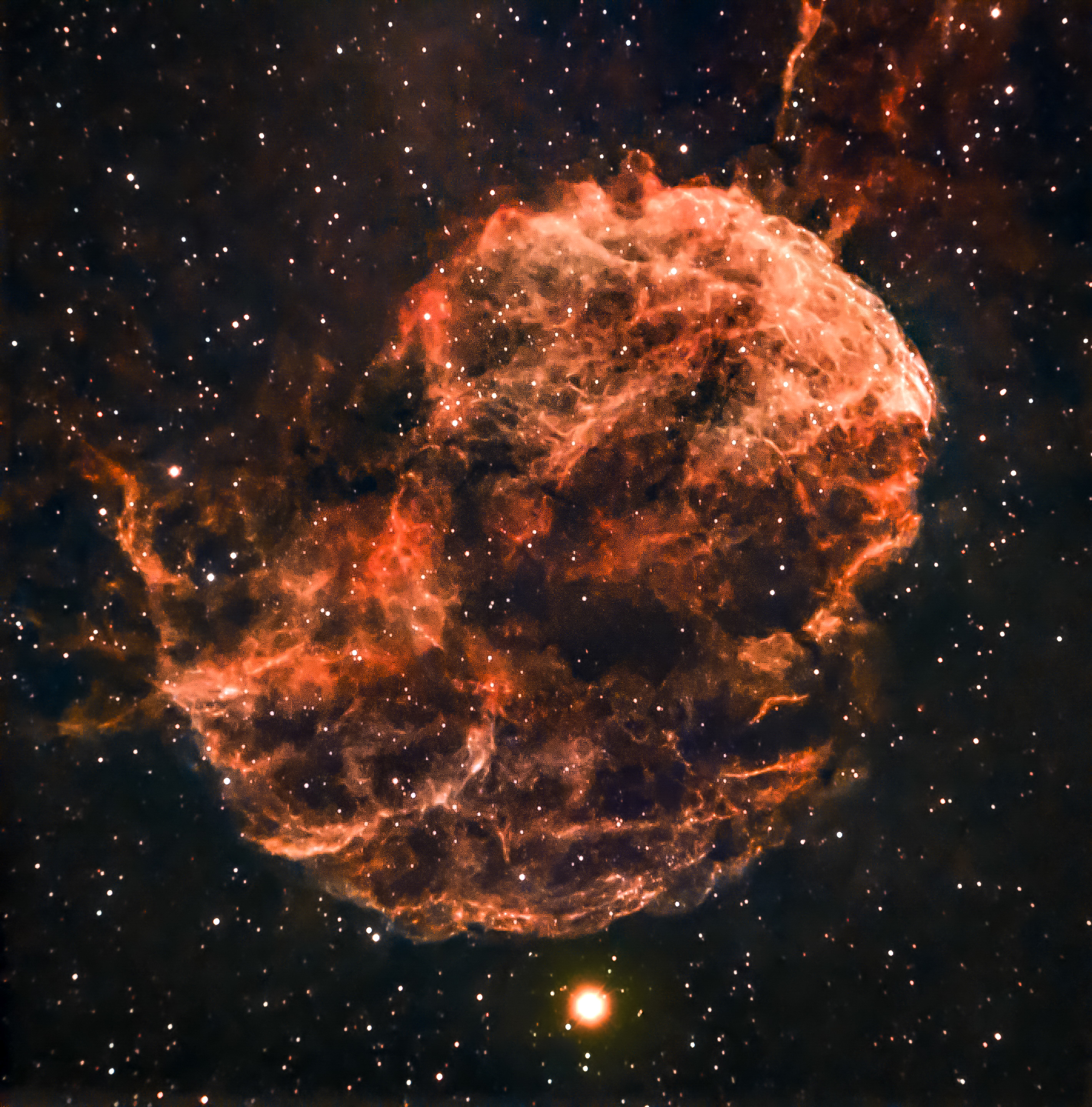
A moonless session for faint winter nebulae, Orion, Rosette, the Jellyfish region, open clusters, and other deep-sky targets.
Jupiter and its Galilean moons share the night with Orion, the Pleiades, bright winter stars, and selected clusters and nebulae.
All currently scheduled nights from August through February are shown here. Purple dates are event nights—tap one for a quick preview, then open the full event page if you want more details.
19Shooting the Stars: Astrophotography 101
The observing plan can shift with weather, seeing, Moon phase, and what is best placed in the sky on the night of the event.