01 · STRUCTURE
Gas, dust, stars, and galaxies
Long integrations reveal faint shells, filaments, dust lanes, star-forming regions, and large-scale structure hidden in a quick glance.

Astrophotography is a way to look closely. Long exposures reveal structure, color, change, and relationships that are easy to miss at the eyepiece — and every object in the archive is an excuse to understand the universe a little better.
A nebula is not just a cloud with a cool shape. A galaxy is not just a spiral. The color and structure in an image come from real physical processes: ionized gas, reflected starlight, dark dust, stellar winds, gravity, star formation, and the remains of stars that have already died.
That context is why the Targets archive pairs the image with object type, catalog identity, constellation, distance, and a deeper look at what is happening in the frame.
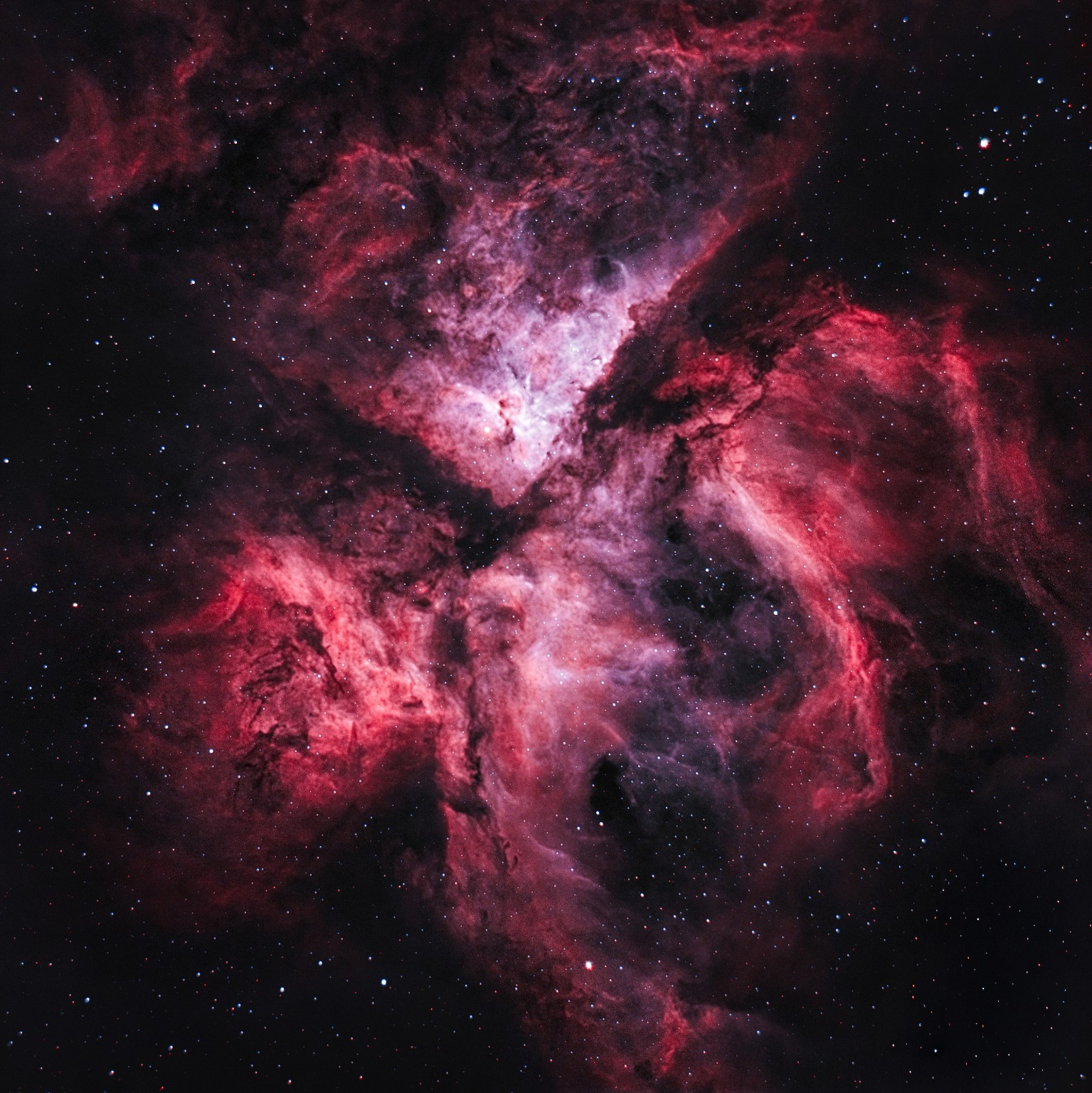
Long integrations reveal faint shells, filaments, dust lanes, star-forming regions, and large-scale structure hidden in a quick glance.
Emission, reflection, stellar color, and broadband light help distinguish what is glowing, what is reflecting, and what is blocking the light behind it.
Moon phase, planets, transient events, atmospheric conditions, and seasonal visibility make repeated observation useful rather than redundant.
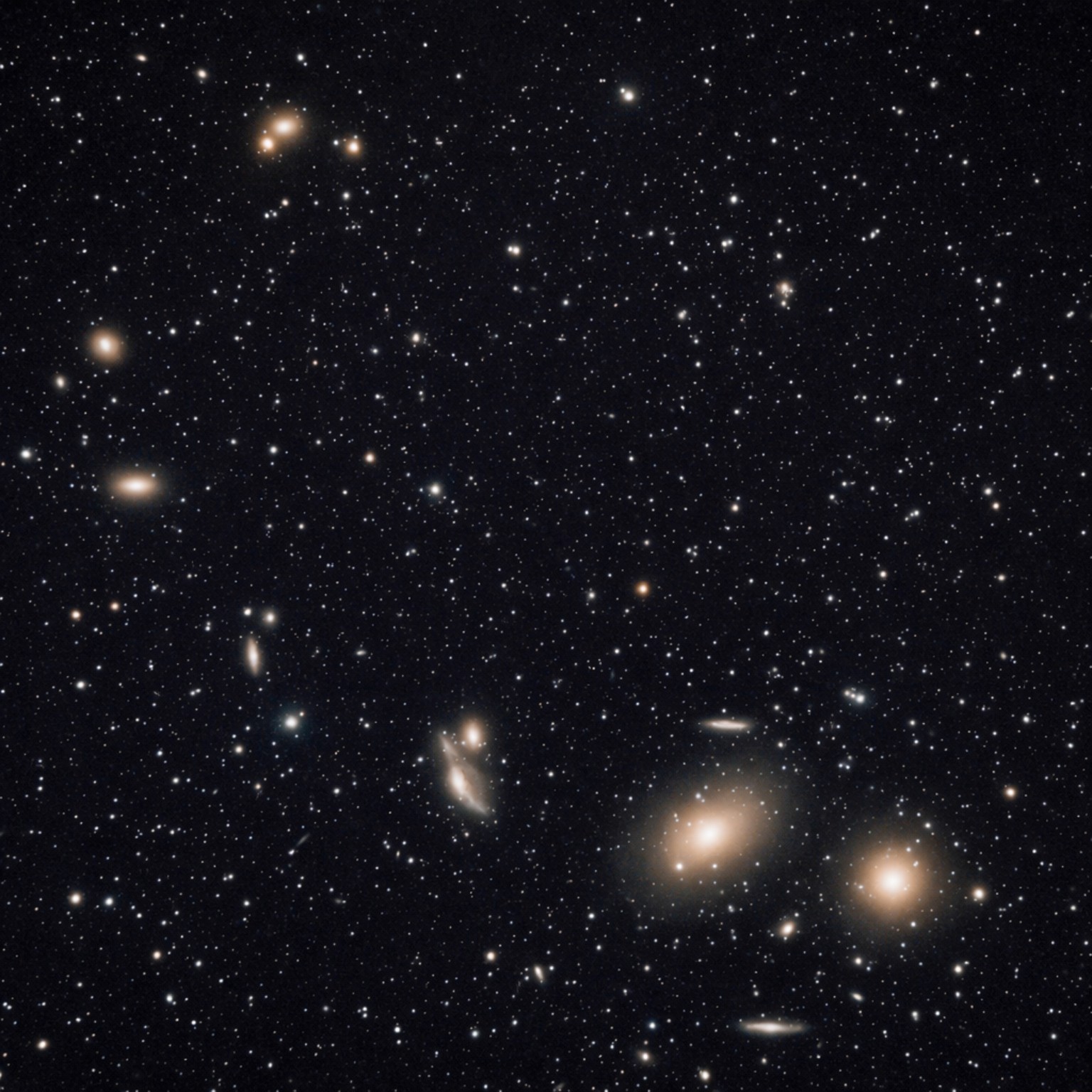
Deep-sky imaging is an exercise in scale. A field that looks almost empty to the unaided eye can contain enormous clouds of gas, ancient star clusters, or multiple galaxies separated by distances that are hard to picture.
The point is not to turn every image into a textbook. It is to give enough context that the photograph stops being decoration and starts becoming a place in the universe.
Careful amateur observations can complement professional astronomy when the right project, target, and data are involved. Deep Sky Hawaiʻi’s science side is about keeping that door open: documenting the sky carefully, learning the measurement side of imaging, and connecting useful observations to citizen-science opportunities when they fit.
The Targets archive is the growing science layer of Deep Sky Hawaiʻi — image first, then catalog, location, physics, and observing context.