
ABOUT
Discover the story behind Deep Sky Hawaiʻi—from photographing the deep sky to sharing it through telescopes, live imaging, and nights of discovery.
The Idea
Deep Sky Hawaiʻi began with a quest to photograph the deep sky from Hawaiʻi Island. The first goal was simple: find the nebulae, star clusters, and galaxies overhead, collect their faint light, and see what a camera could reveal. Each new target meant learning the sky a little better—how to locate it, track it, and turn hours of exposures into a single image.
As the collection grew, so did the desire to share the experience behind the photographs. The images became a Gallery and Target Archive where each object has a story, a place in the sky, and a record of how it was captured. The hours beneath the sky mattered as much as the finished photograph: finding a target, watching the first exposures appear, and seeing a distant object become familiar.
That journey led to Deep Sky Hawaiʻi’s public events—small-group nights where people can look through a telescope, watch live imaging, ask questions, and connect a photograph to the real object overhead. Our purpose-built mobile observatory brings visual observing, imaging, science, and storytelling together. What began as a search for pictures is becoming a way to share the discovery itself.
The Experience
That shared discovery is the heart of a night with Deep Sky Hawaiʻi. It begins by looking up together and taking stock of the sky as it is: the season, the Moon, the weather, and the objects in view. The group finds its bearings among the stars before choosing where to point the telescopes. No two nights follow exactly the same path.
From there, guests move between a direct view through the eyepiece and a live image developing on a screen. A faint cluster or nebula first becomes a place in the sky, then a real object with depth, distance, and a story. The telescope tracks it as Earth turns while the camera collects light. With a small group, there is room to look again, compare what the eye and camera reveal, and ask questions as the night unfolds.
The hope is that guests leave with more than a beautiful view: a clearer sense of what they saw and how it was found, a deeper connection to Hawaiʻi Island beneath that sky, and the curiosity to look up again on their own.
The Mauna
Maunakea’s elevation, dark skies, and dry, stable air have made its summit an exceptional place for astronomical research. The mountain also gives our observing nights a sense of place. A distant nebula is no longer just a photograph on a screen; it becomes a real object overhead, seen from a landscape with a history and identity of its own.
For many Native Hawaiians, Maunakea is a sacred place of genealogy and cultural practice. Hawaiian traditions describe it as a piko of Hawaiʻi Island, linking land and heavens, and as the mountain child of Wākea and Papa. The mauna is also associated with Poliʻahu, the snow goddess. These traditions are part of the mountain’s living cultural significance.
Respect for the mauna belongs in the experience itself. Our nights connect what the telescopes reveal with an appreciation for the place around us, encouraging care for the environment and respect for the people whose relationship with it spans generations. Understanding where we stand is part of understanding what we see.
The Observatory
Deep Sky Hawaiʻi operates a fully equipped mobile observatory that puts scientific-grade imaging and serious telescope time within reach of the public. Precision optics, guided imaging, and a shared control station turn an observing night into a close-up look at astronomy in action. Guests can look through a telescope, watch raw exposures appear, and follow the decisions behind a deep-sky photograph.
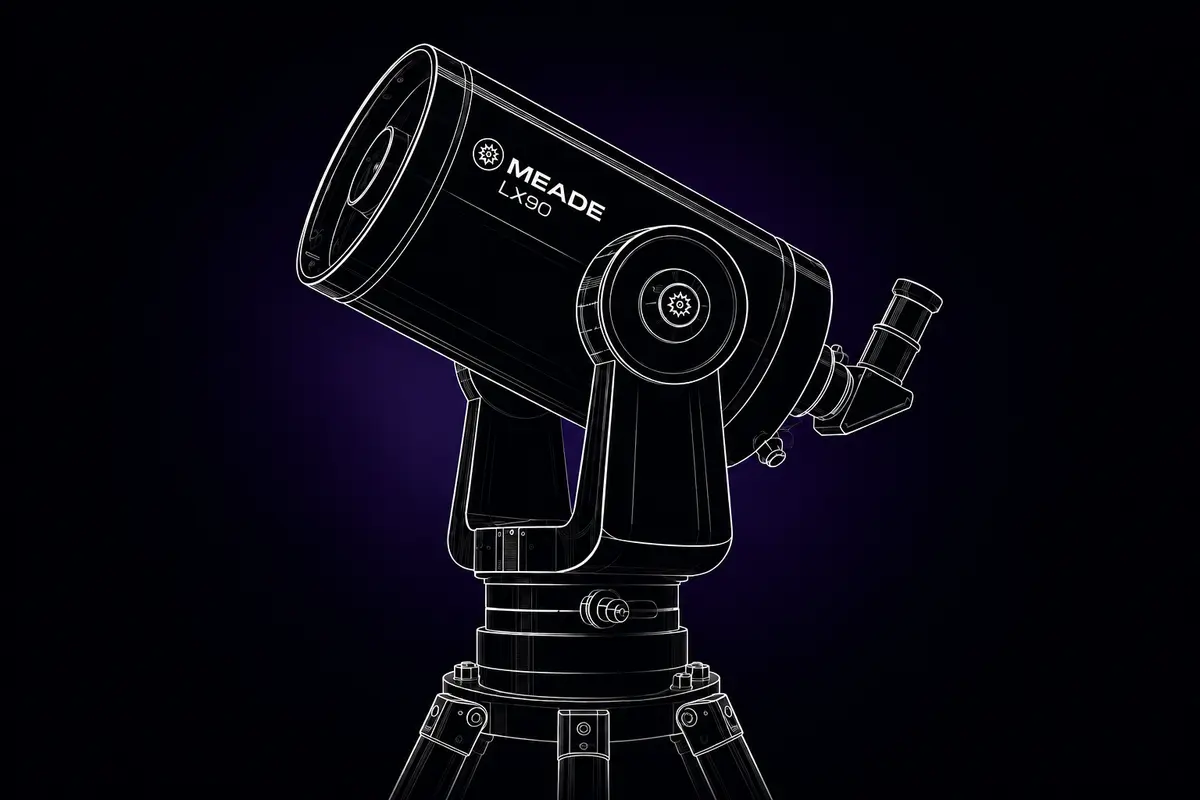
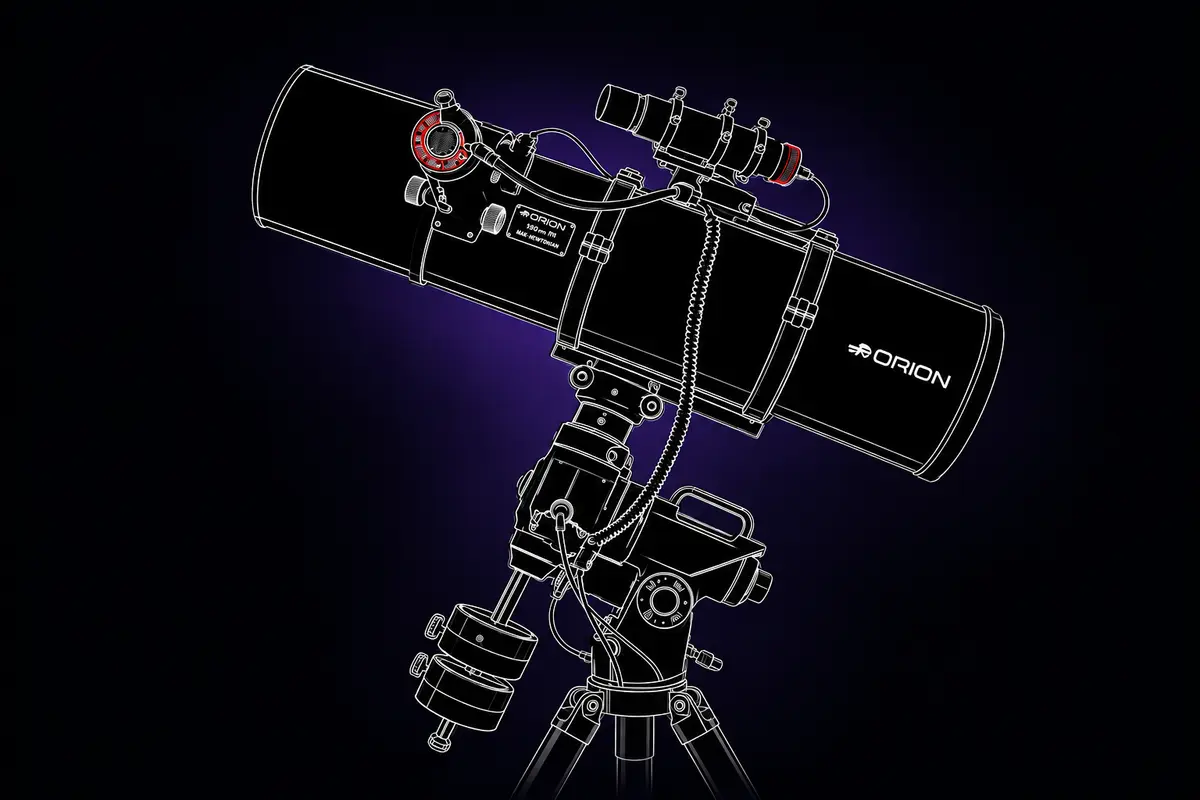
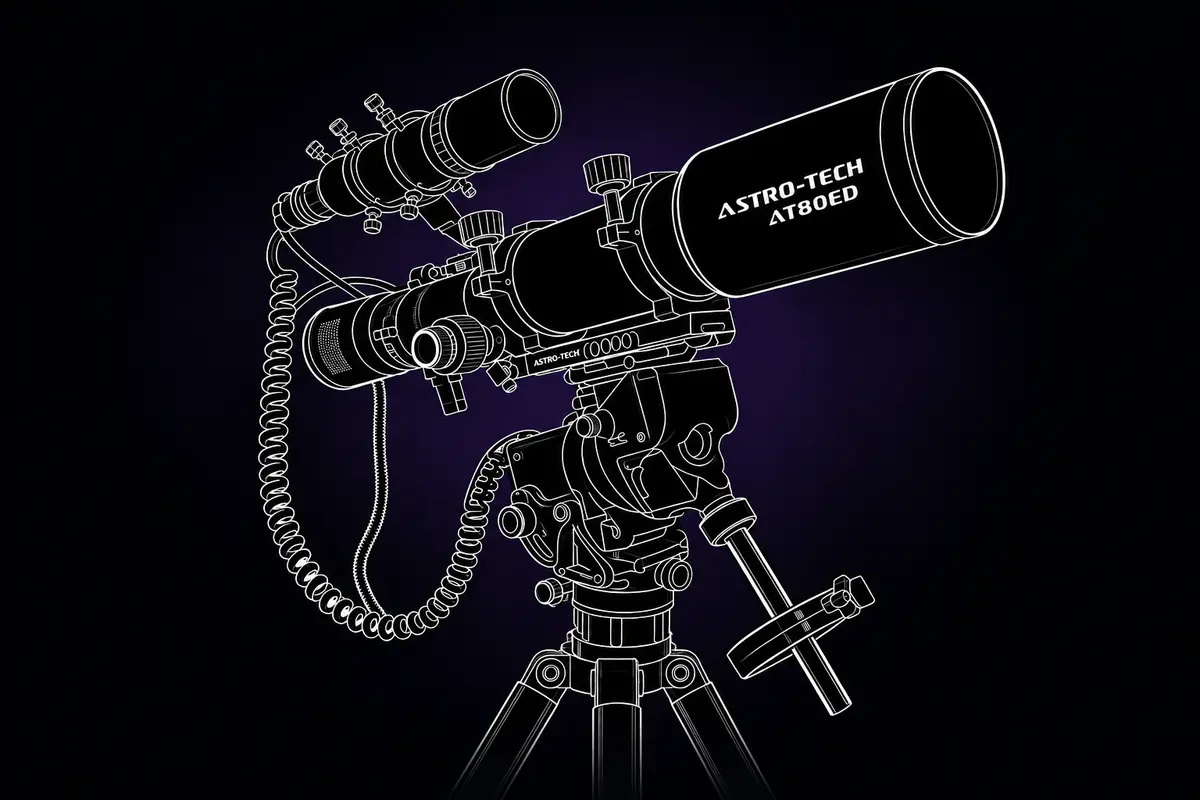
The optical lineup has range and muscle. Our Orion 190 mm Maksutov-Newtonian astrograph combines a 1,000 mm focal length with a fast f/5.3 optical system on the belt-driven Sky-Watcher EQ6-R Pro. An 80 mm ED refractor covers wider fields, while the 12-inch Meade LX90 brings substantial light-gathering power to the eyepiece. Cooled CMOS cameras, plate solving, autoguiding, and narrowband filters help reveal faint detail and keep the imaging process precise.
Our custom 4 × 8 ft trailer integrates a 4040 aluminum-extrusion structure, two removable imaging piers, protected equipment storage, and a rear control station with two tablets and a processing laptop. Calibration and image stacking bring the night’s exposures together into a clearer view of distant gas, dust, and stars. Mobility gives us access to different horizons and observing conditions while keeping the imaging workflow where guests can follow it. Serious instruments. Real starlight. A front-row seat to how astronomy works.
Choose a telescope.
Change your perspective.
Three complementary instruments. Tap one to explore its role under the stars.
Real photons.
Your own eyes.
Our 12-inch Schmidt–Cassegrain brings substantial light-gathering power to the eyepiece. It gives guests a direct view of lunar landscapes, planetary detail, ancient star clusters, and compact deep-sky objects.
Gather the light.
Reveal the structure.
The 190 mm Maksutov-Newtonian pairs a fast optical system with a 1,000 mm focal length. Guided tracking and a cooled camera let us build up the faint structure in nebulae, dust lanes, and distant galaxies, one exposure at a time.
Give the sky
room to breathe.
Some objects need a wider canvas. Our 80 mm ED refractor takes in broader star fields and sprawling clouds of gas and dust, putting the larger structures of the deep sky into context.