
The Sky Has Seasons
The stars feel permanent, but the night sky changes with the year. Every season carries its own constellations, targets, colors, and sense of arrival.
There is a particular kind of excitement in seeing a familiar constellation return before dawn.
For months it has been gone, hidden in the daytime sky near the Sun. Then one morning there it is again, low on the horizon, slightly out of place, like someone arriving early to a party that has not started yet.
The sky has seasons because Earth is moving.
Orbit changes the night
As Earth travels around the Sun, the nighttime side of our planet faces different directions into space. Constellations that dominate one part of the year eventually drift toward evening twilight and disappear, while others rise earlier and take their place.
The stars themselves are not circling us once a year. Our viewpoint is changing.
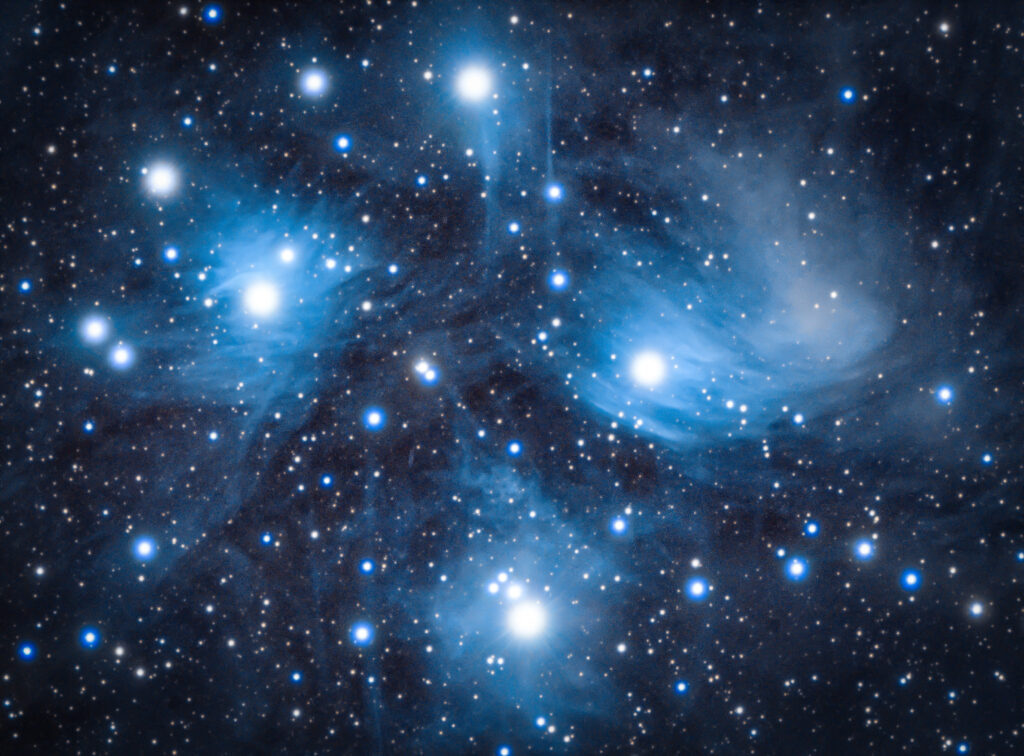
This simple geometry gives the night an annual rhythm. Orion belongs to one part of the year. Scorpius and Sagittarius belong to another. The Pleiades disappear into the Sun’s glare and later return, first in the morning sky and eventually as an evening landmark.
Objects carry memories with them
Seasonal constellations can become emotional markers in a way that planets rarely do. Planets wander. Constellations return in roughly the same order.
When Orion comes back, it can make the year feel suddenly measurable. The first evening view of the Pleiades can feel like a change in weather even before the weather changes. The summer Milky Way rising earlier each night is a reminder that the observing season is moving whether we are ready or not.
Astronomy turns the year into more than dates on a calendar. It gives the year a sky.
Hawaiʻi changes the perspective
Latitude matters. From Hawaiʻi, observers can reach farther into the southern sky than most of the continental United States while still retaining access to many northern constellations. Objects such as Omega Centauri and the Carina Nebula climb high enough to become practical targets, while familiar northern constellations remain part of the seasonal rotation.
That creates an unusually broad celestial calendar. Different months bring not only different objects, but different regions of the Milky Way into useful positions.
There is no final observing list
The seasonal sky also prevents astronomy from ever feeling finished. Miss an object and it will return. Finish imaging one nebula and another region is rising. A target poorly placed tonight may be perfect in several months.
The sky keeps rotating the menu.
We do not only move through the year. We move through different versions of the night, each one temporary, each one certain to return changed only by our own passage through time.