
THE
MOON
Earth’s companion world, revealing ancient impact basins, cratered highlands, volcanic plains, and a landscape transformed by changing light.
 1 / 4
1 / 4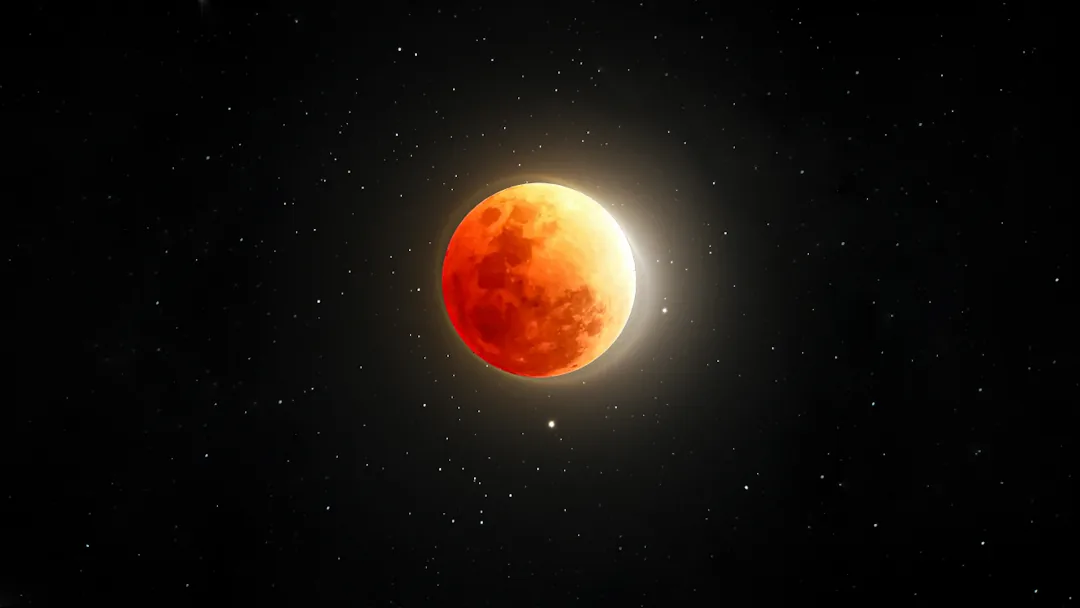 2 / 4
2 / 4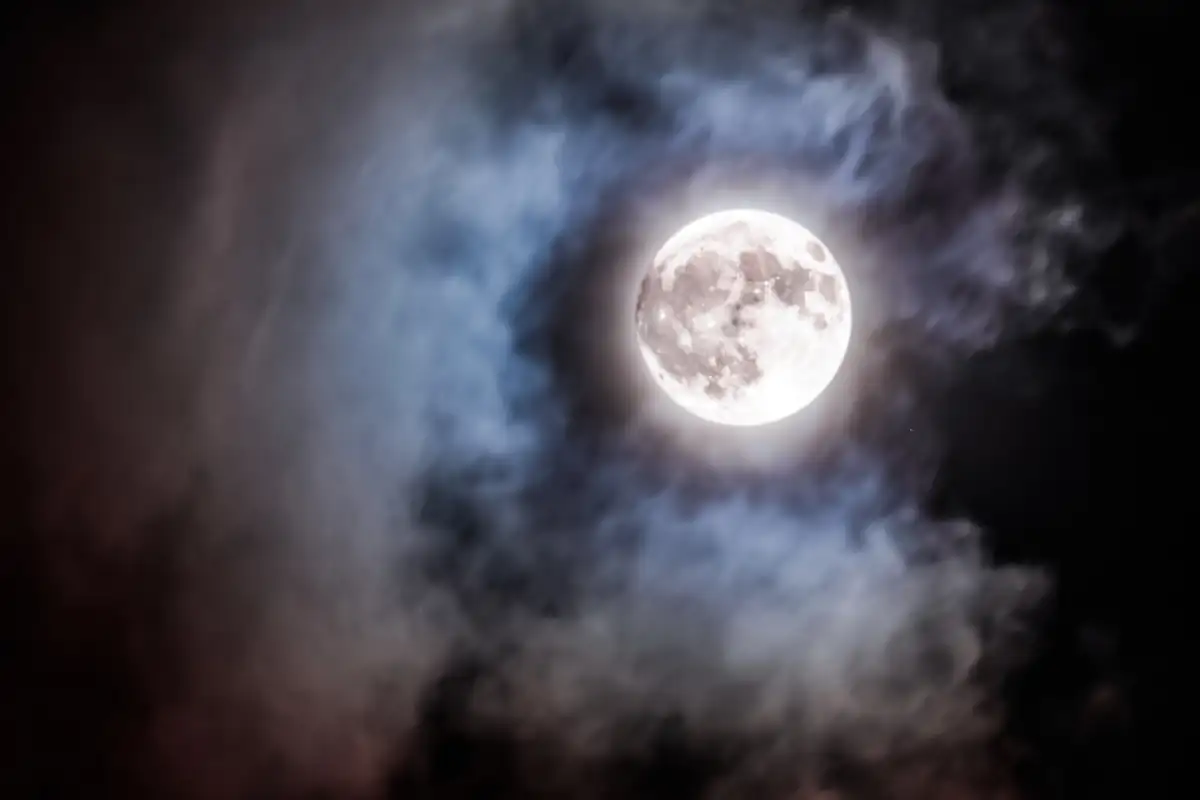 3 / 4
3 / 4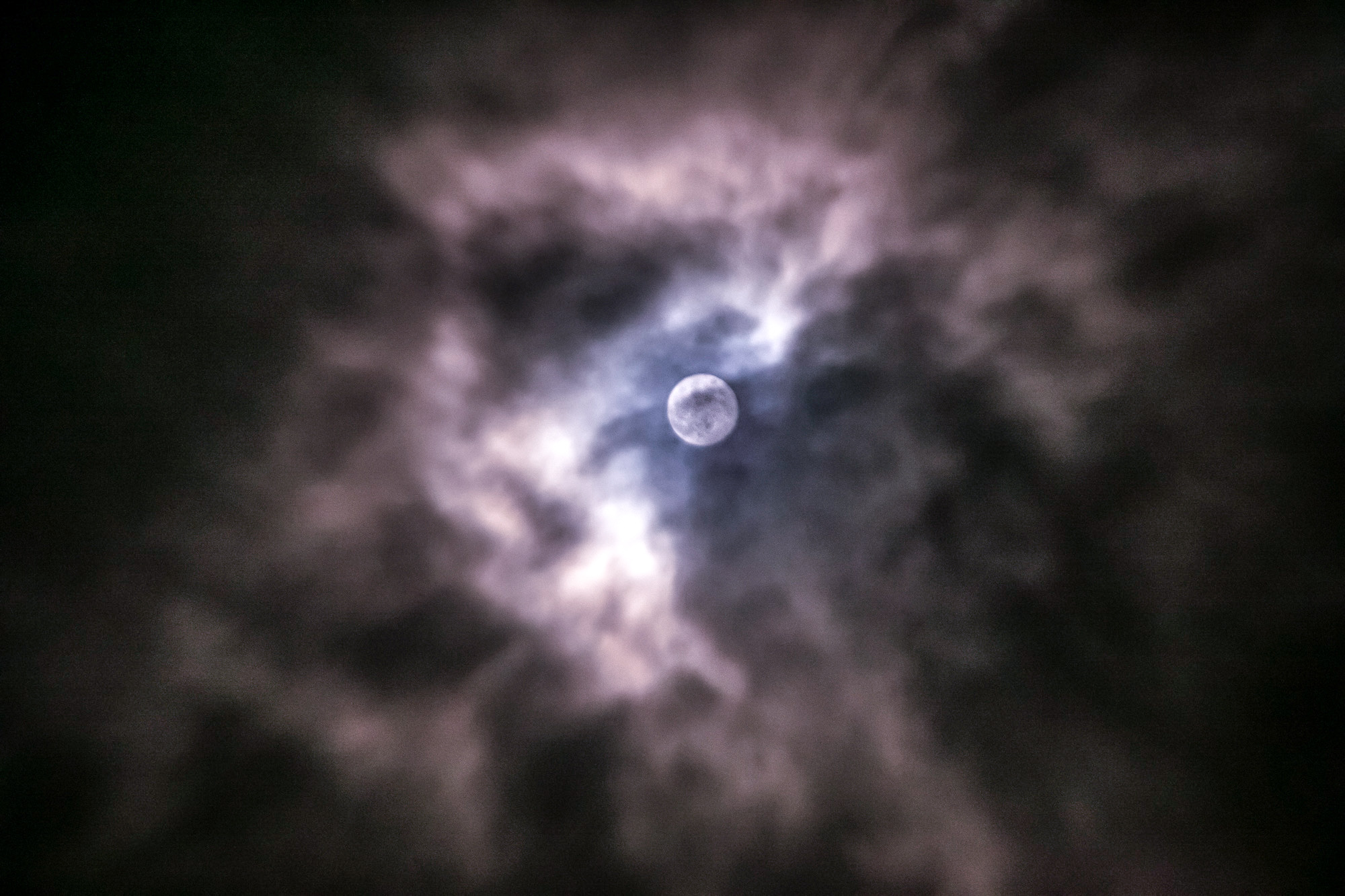 4 / 4
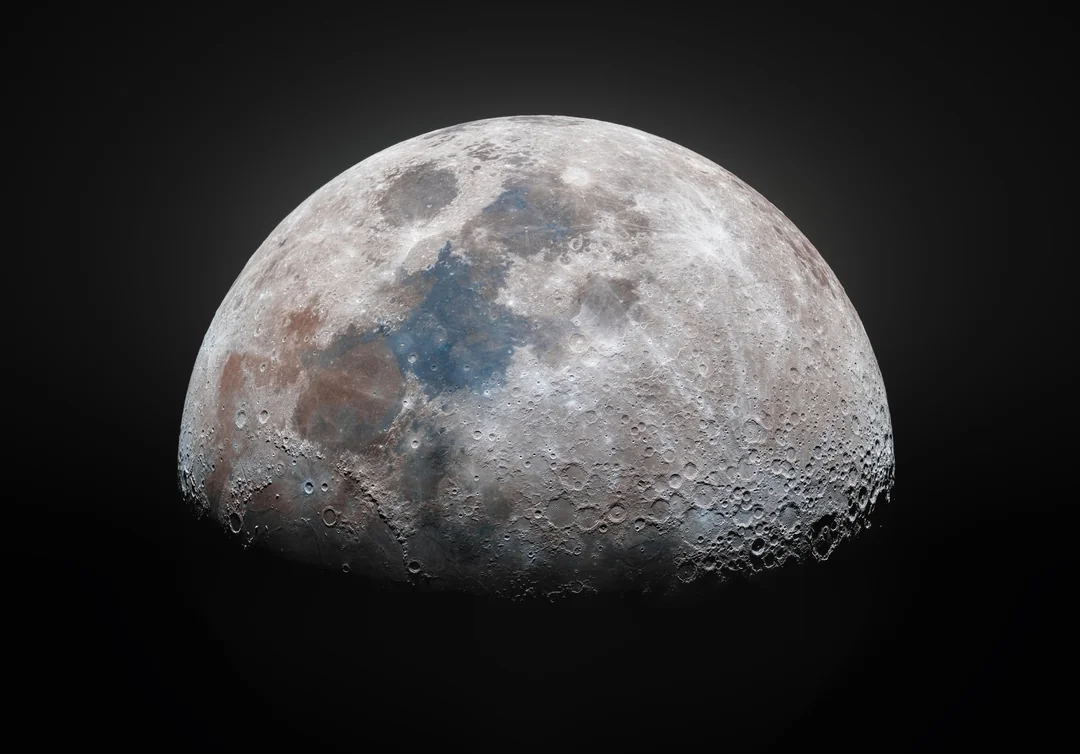
4 / 4The Moon is an airless rocky world whose surface preserves billions of years of impacts and volcanism. Bright highlands are heavily cratered ancient crust, while the darker maria are vast plains of basalt that flooded enormous impact basins early in lunar history.
Because the Moon is tidally locked to Earth, nearly the same hemisphere faces us throughout its orbit. What changes night by night is the angle of sunlight: near the terminator, low illumination throws mountains and crater walls into sharp relief and reveals a constantly changing landscape.
In Hawaiian, the Moon is mahina, a word also connected with the lunar month. Traditional Hawaiian calendars followed a named sequence of lunar nights, using the Moon’s changing phase as a practical framework for time, fishing, planting, and other activities.
Across the Mediterranean world, the Moon was personified in figures such as Selene and later associated with Artemis. Different cultures saw different people, animals, and stories in the markings on its face, making the Moon one of humanity’s oldest shared canvases for storytelling.
Explore the Moon in our interactive Stellarium atlas. Its position changes from night to night as it travels eastward through the zodiac, so the atlas is especially useful for seeing where it sits among the stars.